WeightPlay
Color Lunchbox

Color Lunchbox
Sort colorful foods through 30 short levels and six friendly Guardian checks.
Loading
0%
WeightPlay
Sort colorful foods through 30 short levels and six friendly Guardian checks.
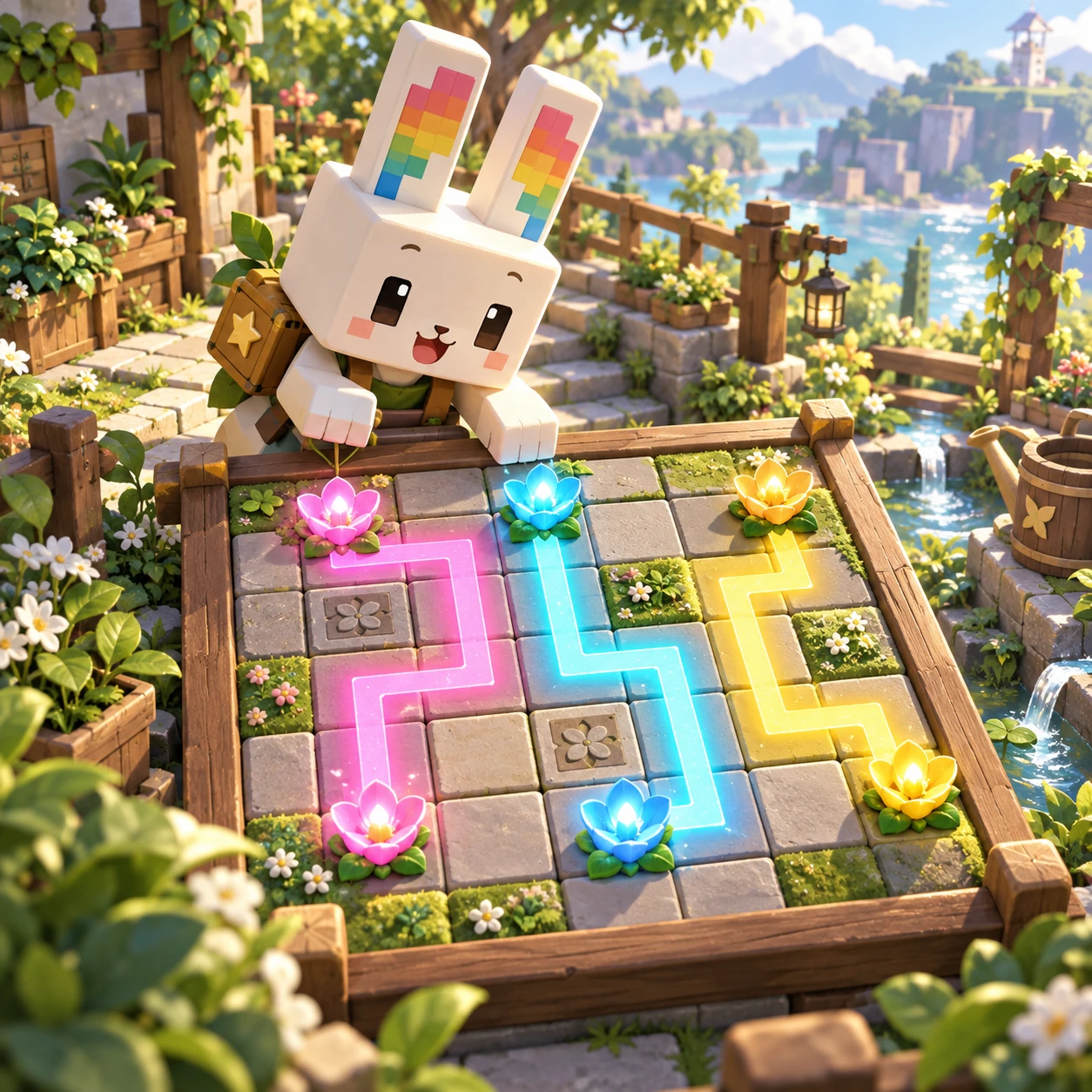
Animal Color Lunchbox is a gentle picture-led sorting game with 30 five-food levels. Children help six animal Guardians prepare picnic, breakfast, garden, and festival lunchboxes by matching each food to its real color. Later levels add close color choices, harmless empty boxes, picture-only clues, and boxes that settle into new positions only after a correct match. There is no timer, advertising, or losing screen: an incorrect choice simply invites another try.
The Rainbow Pantry supplies meals for animal friends across six neighborhood routes. Its labels have blown loose, so strawberries, rice, fish, vegetables, drinks, and treats must be placed in the right colored lunchboxes before each delivery leaves. The player is the pantry helper. Completing five matches packs one delivery and opens the next stop.
Mimi, Orla, Nori, Pogo, Taro, and Fia wait at Levels 5, 10, 15, 20, 25, and 30. These Guardians do not fight or punish mistakes. Each introduces a friendly check: a one-time box move, repeated safe shuffles, picture-first matching, extra unused boxes, a halfway mirror, or a final combination. Finishing Fia's festival check means every route has received a correctly sorted lunchbox.
Every level contains exactly five food prompts. The current food appears as a large picture, and the available lunchboxes show color swatches. Players may tap a box or drag the food onto it; both inputs use the same answer rule.
Correct matches fill one fifth of the progress bar and award a food sticker for the result parade. A wrong box stays available and gives supportive feedback, so the child can look again without losing a life or restarting the level.
Picture-only levels visually remove printed food and color names while keeping accessible labels for screen readers. Decoy levels add one or two unused boxes, but the correct color is always present. Moving-box levels rearrange choices only after a correct answer and never while a drag is active.
The highest unlocked level is stored locally in the browser. A returning player can replay any unlocked card; clearing a level unlocks the next one, and Level 30 remains replayable after the festival is complete.
Levels 1-5 establish fixed-box matching with familiar fruit, vegetables, and pantry foods. Mimi closes the first route by moving the boxes once after the third correct food.
Levels 6-10 compare warm, cool, light, and dark colors. A picture-only picnic removes visible words, and Orla's check rearranges boxes after every successful match.
Levels 11-15 introduce close pairs such as red and pink or blue and cyan, plus one harmless unused box. Nori combines picture-first clues with a decoy choice.
Levels 16-20 group foods by vegetable, fruit, breakfast, and snack themes. Pogo's buffet presents seven boxes for five foods, requiring careful elimination without extending the session.
Levels 21-25 revisit moving boxes and picture matching in stronger combinations. Taro mirrors the box order once halfway through the garden check.
Levels 26-30 use six-box rainbows, warm-and-cool alternation, two decoys, and repeated safe movement. Fia's festival combines picture-only clues, one unused box, and a shuffle after each correct answer.
We kept every level to five foods so a young player can finish a complete task in a short sitting. The game supports both tapping and dragging because either movement may be more comfortable on a particular phone, tablet, mouse, or accessibility setup. Difficulty comes from observation rather than speed: close colors, unused boxes, and position changes are introduced one idea at a time, with visible settling animations and locked input during motion. The Guardian checkpoints give the 30-level path memorable landmarks without turning a preschool sorting game into combat. Unlike WeightPlay's action games, Animal Color Lunchbox has no timer, lives, ads, or failure state; its purpose is calm repeated practice and a clear sense of completion.
This game may help children practice color recognition, visual comparison, focus, and hand-eye coordination. Adults can ask the child to name the food or explain why two colors look different, but reading is not required. Progress and scores stay in the local browser and are for play only; they are not a developmental test, diagnosis, or school assessment.