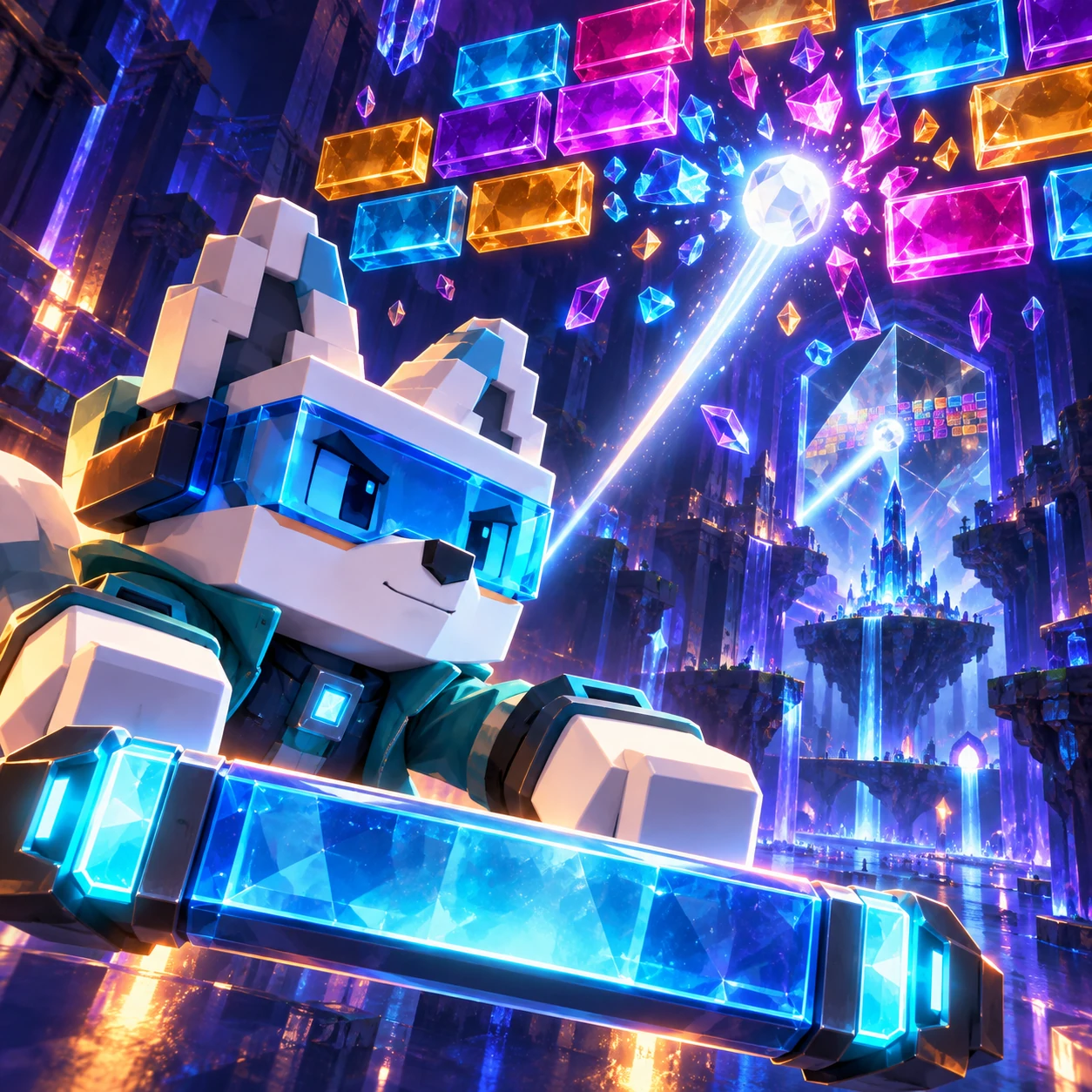
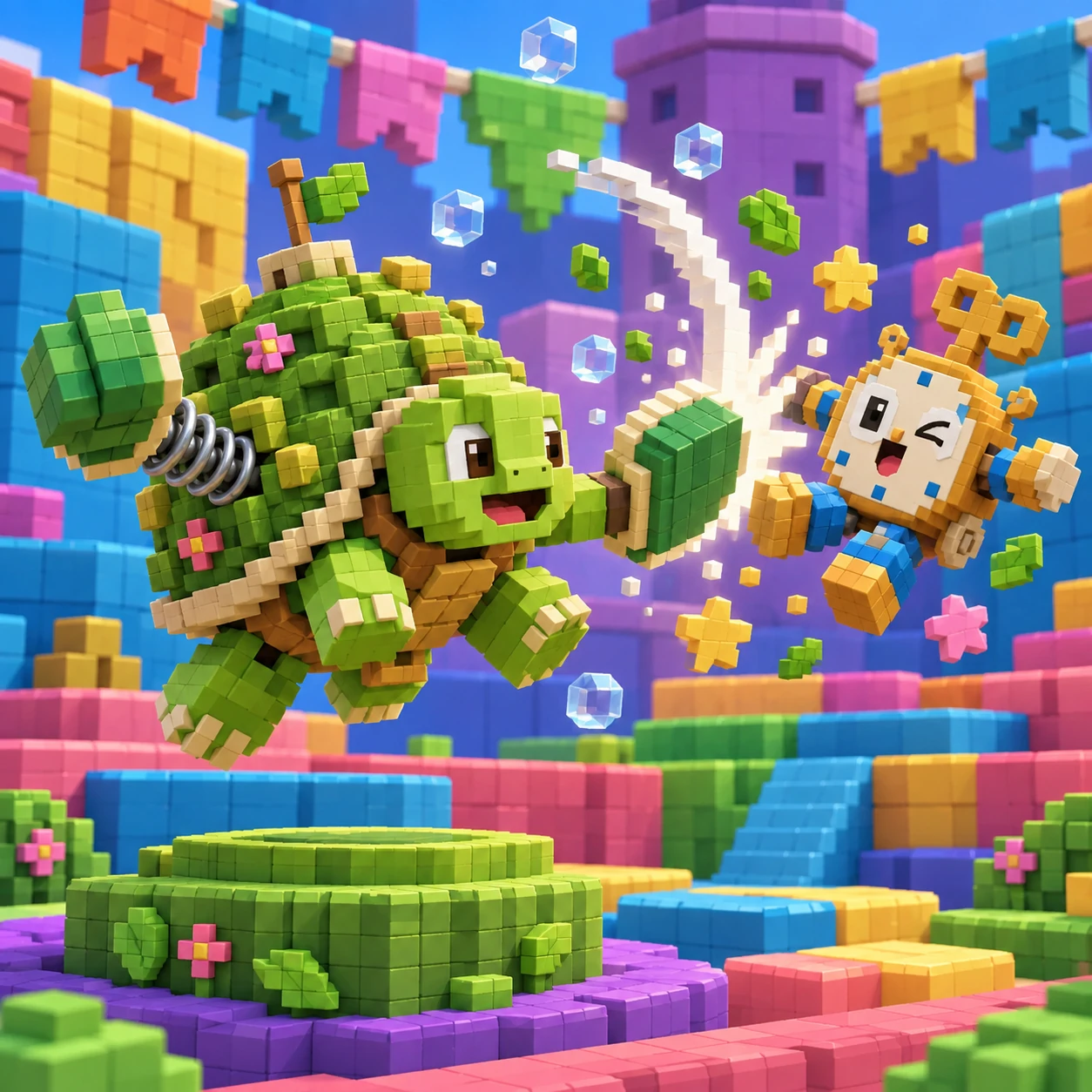
Sketchwheel Rally
Sketchwheel Rally
Draw Rux a wheel that matches the next terrain. Redraw during the live race before Fia reaches the finish.
Sketchwheel Rally
Draw a wheel profile before each terrain section, watch how its measured shape performs, and adapt the next wheel so the animal racer reaches the finish before the rival.
World and Mission
Thirty rally courses cross flat road, stairs, mud, tunnels, gaps, ice, and wind. The vehicle moves continuously, but its progress depends on whether the current drawn wheel suits the upcoming terrain.
Each course uses an authored terrain sequence and obstacle position. The objective is not to draw a pretty circle every time; different sections reward different proportions.
How the Systems Work
Draw the wheel in the visible pad with a pointer or finger. The game measures roundness, height, width, grip, and speed from that shape, then mounts it on the moving vehicle.
Flat road rewards a round balanced wheel. Stairs favor height, mud and ice need grip, tunnels require a low wide profile, gaps need width and speed, and wind rewards a narrow stable shape.
A profile that suits the current terrain keeps momentum. A poor match slows, slips, collides, or fails the obstacle while the rival continues.
Workshop upgrades provide modest speed, tolerance, or control support. They do not turn one universal wheel into the correct answer for every terrain.
How to Play
- Choose an unlocked rally and read the terrain sequence.
- Draw a closed wheel shape for the first section.
- Watch the wheel rotate and compare the vehicle's response with the terrain cue.
- Redraw for later sections when the required profile changes, and reach the finish before the rival.
Strategy Tips
- Use a simple deliberate silhouette because tiny decorative bumps reduce the measured profile.
- For stairs, emphasize vertical height; for a tunnel, lower the top while keeping enough width.
- A wide gap wheel can be poor in wind, so redraw instead of forcing one design through both.
- Observe which measured trait failed and adjust only that trait on the next attempt.
Campaign and Difficulty Growth
The first courses isolate flat road and stairs. Later chapters add mud, ice, wind, tunnels, gaps, and mixed courses that require several redraws.
Thirty authored sequences change terrain order, obstacle spacing, course shape, and rival pace.
Developer Design Note
The wheel is visibly attached to the vehicle, rotates with travel, meets the ground line, and faces the direction of motion. Draw coordinates and rendered shape share one scale on phone and desktop. The complete interface uses one centered logical layout with a 920-pixel maximum. Phone, landscape, and desktop views scale the same controls, hit areas, artwork, and game coordinates together instead of stretching individual pieces. Touch, mouse, and keyboard therefore act on the same legal state. The Main poster and Start Game action remain separate from Stage management, while Stage selection, Battle, dialogs, and Result keep their own bounded content and return path.
Player and Save Information
No account, purchase, or public leaderboard is required. Clears, bolts, upgrades, lens state, and local best times stay in this browser. You can play without creating an account. Progress is saved in local browser storage on the current browser profile, not in an online account or cross-device database. Clearing site data, using private browsing, changing browsers, or moving to another device can create a separate save or remove the existing one. Language, sound, and reduced-motion preferences follow the shared WeightPlay controls when the browser permits storage. No guide result is a medical, school, or professional assessment.
FAQ
- Should every wheel be a circle?
- No. Each terrain rewards a different measured profile.
- Can I redraw during a rally?
- Yes, the intended play is to adapt before later terrain sections.
- Why did the vehicle slow on stairs?
- The current wheel likely lacked enough height or grip.
- Does the rival use my wheel?
- No. The rival provides race pressure while your performance comes from the drawn shape.
- Which controls and screen sizes are supported?
- The same rules support touch, mouse, and keyboard where the game uses those inputs. The interface scales as one logical layout across the required phone, landscape, and desktop viewports.
- Can progress move automatically to another device?
- No. This game currently saves to local browser storage only, so another browser profile or device begins with its own separate local progress unless a future account system is added.